Get Clear Project Planning Today
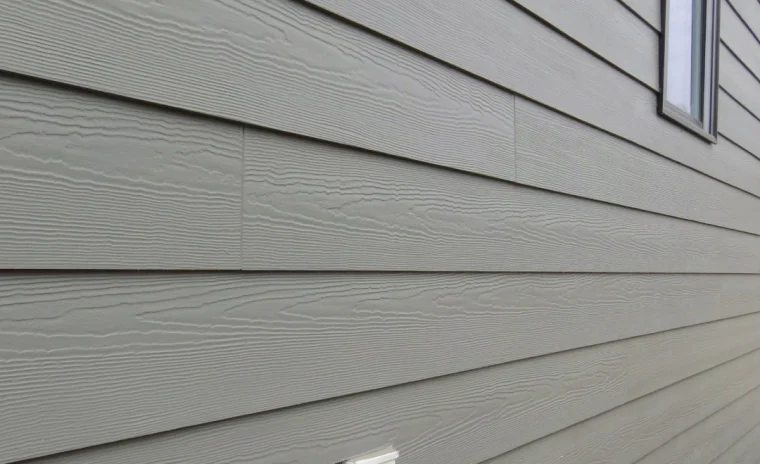
Your siding does more than improve curb appeal. It protects your home from moisture, heat, pests, and structural damage. When siding starts to crack, loosen, warp, or rot, small problems can quickly turn into expensive repairs.
Learning how to repair siding early can help homeowners avoid major exterior issues. Whether you are dealing with a small hole, loose vinyl panels, or water-damaged wood siding, timely repairs can extend the life of your home and help maintain its value.
In this guide, we will explain common siding problems, simple repair methods, maintenance tips, and when it makes sense to call a professional contractor.
Why Siding Damage Should Never Be Ignored
Siding acts as a protective shell around your home. Once it becomes damaged, water and air can enter the structure behind the exterior surface.
This can lead to:
- Mold and mildew growth
- Wood rot
- Increased energy bills
- Pest infestations
- Interior wall damage
- Structural deterioration
Even small cracks or gaps can create long-term problems if they are left untreated. Quick action helps reduce repair costs and protects your property from more severe damage.
Common Siding Problems Homeowners Face
Understanding the most common siding problems can help you identify issues before they spread.
Cracks and Holes
Cracks and holes often develop from impact damage, aging materials, or temperature changes. These openings allow moisture to enter behind the siding.
Small punctures may seem harmless, but they can eventually cause hidden water damage.
Warped or Buckled Panels
Warping is common in vinyl siding exposed to excessive heat or improper installation. Panels may expand and contract unevenly over time.
Warped siding can trap water and weaken the protective barrier around your home.
Rotting Wood Siding
Wood siding naturally absorbs moisture if it is not sealed properly. Over time, this can cause soft spots, rot, and fungal growth.
Homeowners searching for how to repair wood siding often discover hidden water damage beneath the surface.
Loose or Missing Siding Panels
Strong winds and aging fasteners can cause siding panels to loosen or detach completely. Missing panels expose your home to rain, sunlight, and pests.
Mold, Mildew, and Stains
Dark stains and mildew often indicate trapped moisture behind the siding. This issue may point to drainage problems or improper ventilation around the home.
If moisture issues continue, it may be worth exploring professional drainage solutions to protect your exterior surfaces.
Signs Your Siding Needs Immediate Repair
Not all siding damage is easy to spot. Watch for these warning signs:
- Bubbling or blistering paint
- Soft or spongy wall areas
- Higher indoor humidity
- Peeling caulk around windows
- Loose panels after storms
- Visible cracks or gaps
- Water stains inside the home
If you notice several of these symptoms together, the problem may extend deeper into the wall structure.
How to Repair Siding Step by Step
The repair process depends on the siding material and the extent of the damage. Below are common methods homeowners use to repair siding safely and effectively.
How to Repair Damaged Vinyl Siding
Vinyl siding is durable and low maintenance, but it can crack or loosen over time.
Step 1: Inspect the Damaged Area
Check for cracks, holes, loose panels, or signs of trapped moisture behind the siding.
Step 2: Remove the Damaged Section
Use a siding removal tool to unlock the damaged panel from the surrounding pieces.
Be careful not to damage nearby sections.
Step 3: Install the Replacement Panel
Slide the new vinyl panel into place and secure it according to manufacturer recommendations.
Avoid overdriving nails because vinyl siding needs room to expand and contract.
Step 4: Seal and Inspect
Inspect all seams and edges to confirm proper alignment and weather protection.
Homeowners learning how to repair damaged vinyl siding should always match the replacement material as closely as possible to maintain appearance and performance.
How to Repair Wood Siding
Wood siding requires careful attention because moisture damage can spread quickly.
Step 1: Remove Damaged Wood
Cut away all rotted or weakened wood using a pry bar or saw. Be sure to remove every affected section.
Step 2: Inspect the Structure Beneath
Check the sheathing and framing underneath for water damage or mold.
Step 3: Replace the Siding Section
Install new wood siding that matches the existing profile and dimensions.
Step 4: Prime and Paint
Seal the repair area with primer and exterior paint to protect the wood from future moisture exposure.
When homeowners search for how to repair wood siding, they often discover the importance of proper waterproofing and ventilation around exterior walls.
Siding Hole Repair Methods
Small holes can often be repaired without replacing an entire panel.
For Vinyl Siding
Use color-matched vinyl patch kits or replacement sections for larger punctures.
For Wood Siding
Fill small holes with exterior wood filler, sand the surface smooth, and repaint the area.
For Fiber Cement Siding
Use manufacturer-approved patching compounds designed for fiber cement products.
Siding hole repair should always include sealing the area to prevent future water intrusion.
How Weather Affects Siding Damage
Los Angeles weather can be tough on exterior materials. Heat, UV exposure, and occasional heavy rains can accelerate siding wear.
Sun Exposure
Constant sunlight can fade siding colors and weaken certain materials over time.
Rain and Moisture
Improper drainage allows water to collect near siding surfaces, increasing the risk of rot and mold.
Wind Damage
Strong winds can loosen fasteners and detach siding panels during storms.
Maintaining proper drainage around the property helps reduce long-term siding damage. Our hardscaping services can also improve water runoff management around outdoor living areas.
Preventive Maintenance Tips for Long-Lasting Siding
Routine maintenance can significantly extend the life of your siding.
Inspect Your Exterior Twice a Year
Walk around your home every spring and fall to look for cracks, gaps, or loose panels.
Keep Gutters and Drainage Areas Clear
Overflowing water can damage siding and create moisture problems near the foundation.
Wash Siding Regularly
Use a soft brush or low-pressure wash to remove dirt, mildew, and debris.
Repaint Wood Siding When Needed
Protective paint coatings help prevent moisture absorption and UV damage.
Trim Trees and Landscaping
Branches rubbing against siding can scratch surfaces and trap moisture.
DIY Repairs vs Professional Siding Repair Services
Some minor repairs can be handled by homeowners with the right tools and experience. However, larger issues often require professional attention.
When DIY Repairs Make Sense
- Small cracks or holes
- Minor vinyl panel replacement
- Simple caulking repairs
- Surface cleaning and maintenance
When to Hire Professional Siding Repair Services
- Extensive water damage
- Structural deterioration
- Large areas of rot
- Mold behind siding
- Repeated moisture problems
- Multiple damaged panels
Professional contractors can identify hidden issues that homeowners may overlook.
If the damage extends to the building envelope, our siding repair services focus on restoring both appearance and structural protection.
The Importance of Proper Moisture Control
Water is one of the biggest threats to siding systems. Without proper drainage and waterproofing, moisture can damage walls from the inside out.
A complete exterior strategy should include:
- Correct grading around the property
- Proper flashing installation
- Functional drainage systems
- Quality sealants and coatings
- Adequate ventilation
Ignoring moisture problems often leads to more expensive structural repairs later.
How Siding Repairs Improve Home Value
Well-maintained siding improves both protection and appearance.
Benefits include:
- Better energy efficiency
- Improved curb appeal
- Reduced maintenance costs
- Increased property value
- Stronger weather resistance
Updated siding can also complement other exterior upgrades like custom decks and pergola construction or exterior painting services.
Choosing the Right Materials for Siding Repairs
Different siding materials offer different advantages.
Vinyl Siding
- Low maintenance
- Affordable
- Resistant to insects
- Wide range of colors
Wood Siding
- Natural appearance
- Strong curb appeal
- Easy to customize
- Requires regular maintenance
Fiber Cement Siding
- Excellent durability
- Fire resistant
- Moisture resistant
- Long lifespan
The best repair material depends on your budget, climate conditions, and long-term goals for the home.
How Drainage Problems Can Damage Siding
Poor drainage often causes recurring siding issues.
Water runoff that collects near exterior walls can lead to:
- Rotting trim
- Mold growth
- Foundation movement
- Cracked siding
- Soil erosion
Homes built on slopes or hillsides are especially vulnerable to drainage-related damage.
Professional retaining wall construction and site grading solutions can help redirect water away from vulnerable areas.
Protecting Older Homes With Updated Exterior Systems
Older homes may contain outdated siding materials or hidden moisture damage behind the walls.
Modern upgrades can improve:
- Energy efficiency
- Structural durability
- Water resistance
- Exterior appearance
Combining siding repairs with window replacement services can further improve insulation and reduce long-term maintenance needs.
Questions Homeowners Should Ask Before Starting Repairs
Before beginning a siding repair project, consider these important questions:
- Is the damage cosmetic or structural?
- Has moisture reached the framing?
- Are replacement materials available?
- Does the repair require permits?
- Is drainage contributing to the problem?
Careful planning helps prevent repeated repairs and hidden expenses.
Final Thoughts on How to Repair Siding
Learning how to repair siding can help homeowners protect their investment and avoid larger structural problems. Addressing damaged siding quickly reduces the risk of water intrusion, mold growth, and costly repairs down the road.
Whether you are dealing with cracked vinyl panels, rotting wood siding, or recurring moisture issues, regular maintenance and timely repairs make a major difference in the long-term condition of your home.
At Your Enhanced Space, we provide reliable exterior repair solutions designed to protect Los Angeles homes with careful planning, honest communication, and quality workmanship. Our husband-and-wife team takes a service-first approach to every project, from siding repair services and drainage solutions to exterior painting and structural exterior improvements. With 25 years of construction experience and corporate-level project management, we focus on doing the job correctly and keeping homeowners informed throughout the process. Call (617) 794-1405 to discuss your exterior repair goals and learn how we can help protect your home for years to come.